So called nonprofit makes millions off cheap labor and Americans love it!
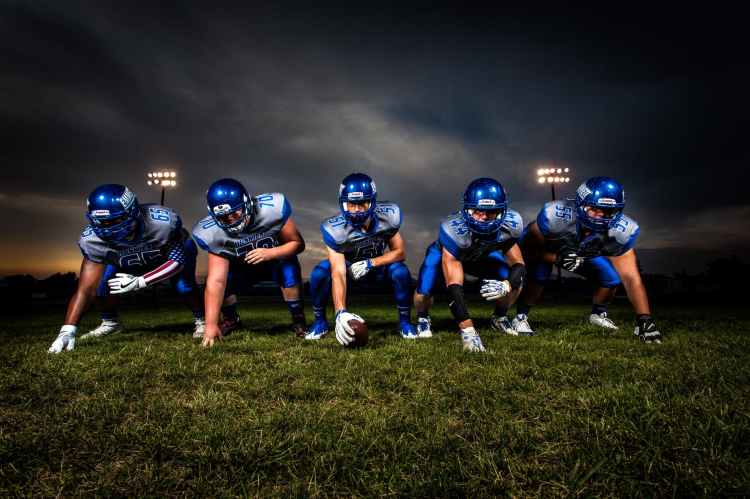
Should college athletes be paid? The answer is simple, yes. In this blog we will be breaking down the daily life of the student athlete. I will be explaining the pros and cons to why athletes should receive a living wage and how the NCAA makes millions off college kids.
It’s time to pay for play!
Every weekend, Americans sit around their TVs and watch teenagers and young adults engage in sporting events for their entertainment. These athletes, playing for the National Collegiate Athletics Association (NCAA), who reported 11 billion dollars in revenue are not allowed to be paid. My question is, should college athletes be paid? According to basketball superstar Lebron James, student athletes should be able to earn compensation. But many will argue that most of these athletes receive scholarships and an opportunity to receive a higher education. Although these are great benefits, it is not enough.
Should college athletes be paid?
Collegian athletics is a full time job. Division 1 student athletes spend an average of 35.4 hours a week on athletic activities during the season. Then you add classes, studying and the few hours they get to sleep a day. This leaves very little time for a job. Now that same amount of time at a job paying minimum wage would be more than $1,000 dollars a month. That would be a nice chunk of change for young adults, usually living for the first time, on their own.
Although it is hard to imagine why you wouldn’t pay someone who is providing a service to you or to an institution. Opponents all too often say that scholarships and free room and board is more than enough compensation to play a game. National champion coach, Dabo Swinney (who earns 8.25 million a season) says, “There is already enough entitlement in the world, without paying college athletes.” Although scholarships are essential, they are not enough to sustain a young adult working full time for a university. Another argument is that it would change the dynamic of college sports all together. Where the athlete focuses more on profit and less on education. This brings up a valid point, education should be the focus of a student athlete. But how can it be? according to CBS Sports who published a study on college athletes, 54% say they do not have enough time to complete their schoolwork because of sports and over 80% say they have missed class because of a sporting event. Richard Sherman, Super bowl champion corner back and current NFL player said, “It is impossible to be successful at school while playing D1 sports. You get home at 7:30 dead tired from practice and you still have to study just as hard as everybody else every day and get all the same work done
NCAA
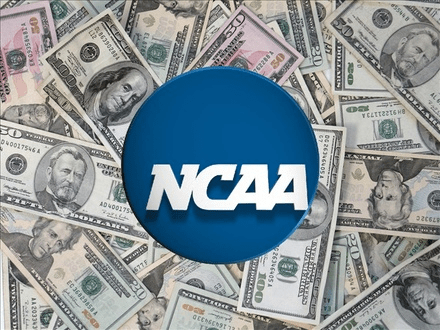
The NCAA, a not for profit organization, who pays their top executives millions of dollars a year, was established to protect athletes. “When the NCAA was founded by President Roosevelt in 1905, the institution was committed to the idea of not providing a stipend/salary to the student athletes. It was based off the idea of amateurism.” Anderson, August 2019”. Now, over 100 years later, the NCAA is no longer committed to the student-athletes best interest, bringing in more than 11 billion dollars a year. There is nothing amateur about the big business of college sports.
END CORRUPTION!!!
Introducing pay for college athletes would greatly reduce the burden for many families trying to provide basic needs for the student athlete such as clothes, food and transportation. Most families are tasked to provide these necessities. Providing pay for the athletes would also eliminate much of the corruption in college sports. Such as what happened to famed running back Reggie Bush.


CLOSING
As you can see, in today’s world of college sports there is a lot of money made. But, for the ones who make it possible, they don’t see any of it. Although they work countless hours every week sacrificing their time and body, they in turn earn no pay. In the words of Regoli, the NCAA has the perfect business plan. “They provide a product with no labor cost”. But the true cost rests on the backs of the student athlete who puts in the work, day in and day out. If they push against the system, they will be replaced with the next body ready to fill their shoes.
 Should College Athletes be Paid?